

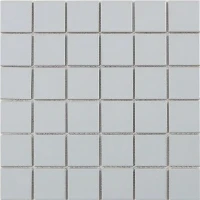
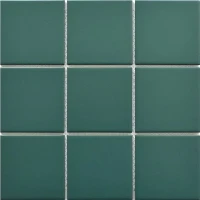
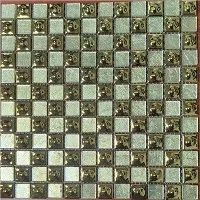
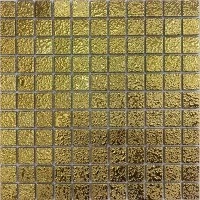
Metallic Mosaic Tiles
Haitao is an professional manufactory for mosaic tiles in China. Our factorycover an area of more than 10000 square meters and own 4 manufacturing lines producing a variety of tiles in different sizes and molds. We have 5 production lines, two production bases, the production of a variety of different sizes and molds of ceramic tiles. Over the years with strong and stable production capacity for the world to provide quality products and after-sales service. One of the secrets of our cost-effectiveness is that we consistently produce tiles of the same size for each line. Our product categories include: Glass Mosaic, ceramic Mosaic, Gold Plated Mosaic, Stainless Steel Mosaic, Crystal glaze kiln ceramic Mosaic, stone Mosaic, shaped Mosaic, water knife Parquet, non-slip Mosaic, porcelain Mosaic, antique Mosaic and pool tile. The product size ranging from smallest 10mmx10mm to largest 50x300mm. Besides, we have 6000 square meters warehouse for stocking numerous regular items. We are not only an excellent choice for aboard wholesale importers, but also great for those who loves to try small quantities without MOQ
Why Choose Us?
Fast delivery
Huge production capacity to ensure in time delivery. Complete packaging to ensure products quality, and transport to the destination in the first time.
Rich experience
They have rich experience in all order process steps like packing, loading, transportation, insurance, and customs declaration.
24h online service
They have rich experience in all order process steps like packing, loading, transportation, insurance, and customs declaration.
Quality control
They are follows the principle of the International Swimming Federation (FINA), in accordance with the procedure of point to point quality inspection and control to assure superior product quality.
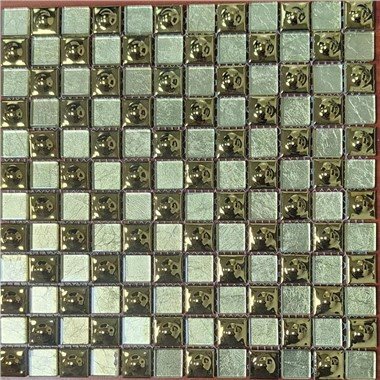
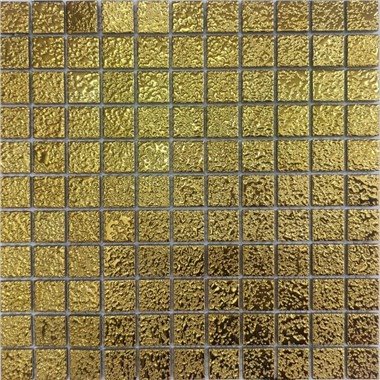
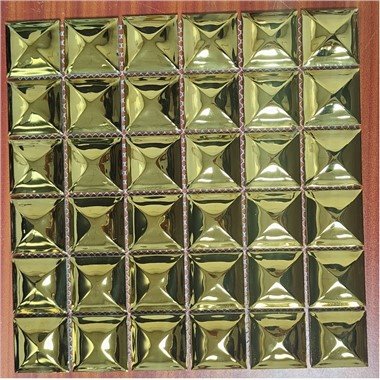
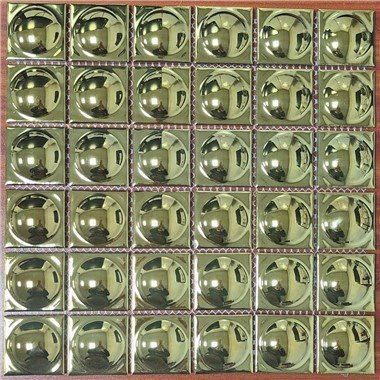
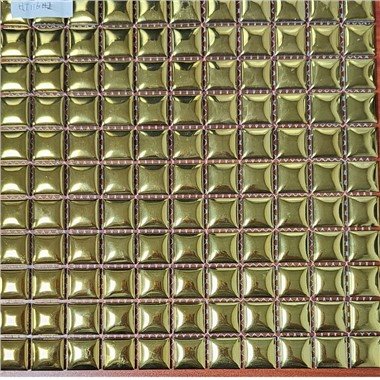
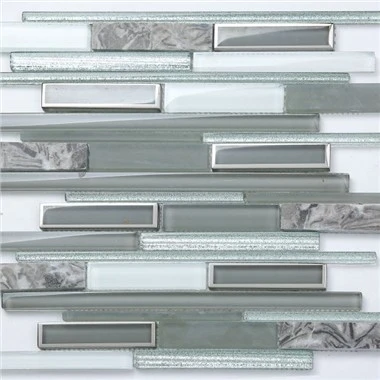
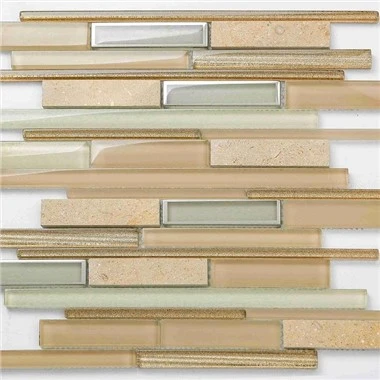
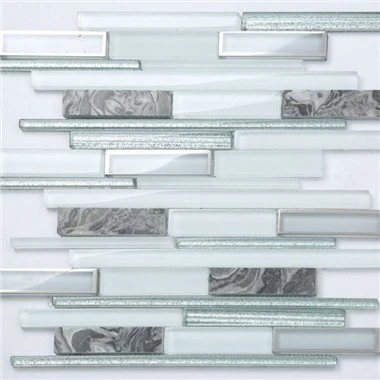
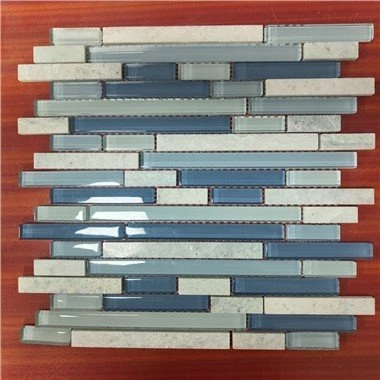
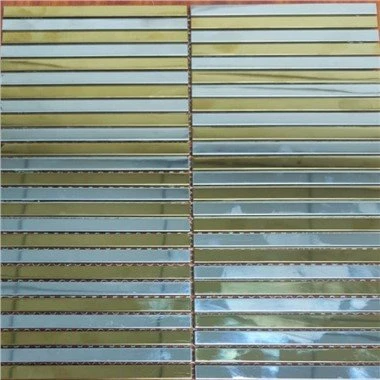
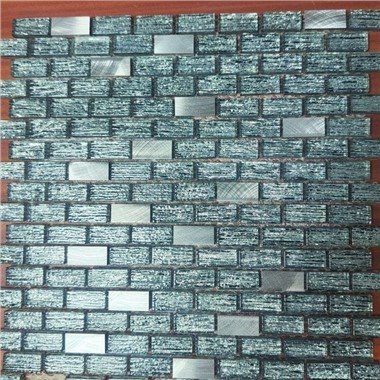
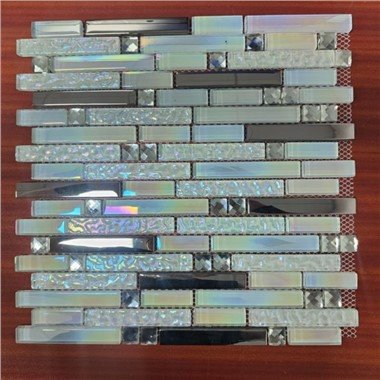
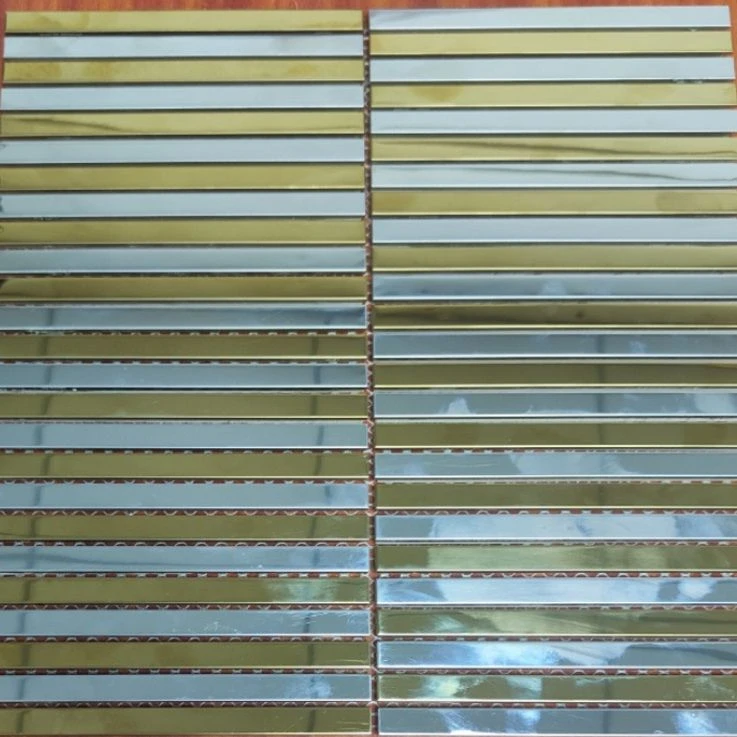
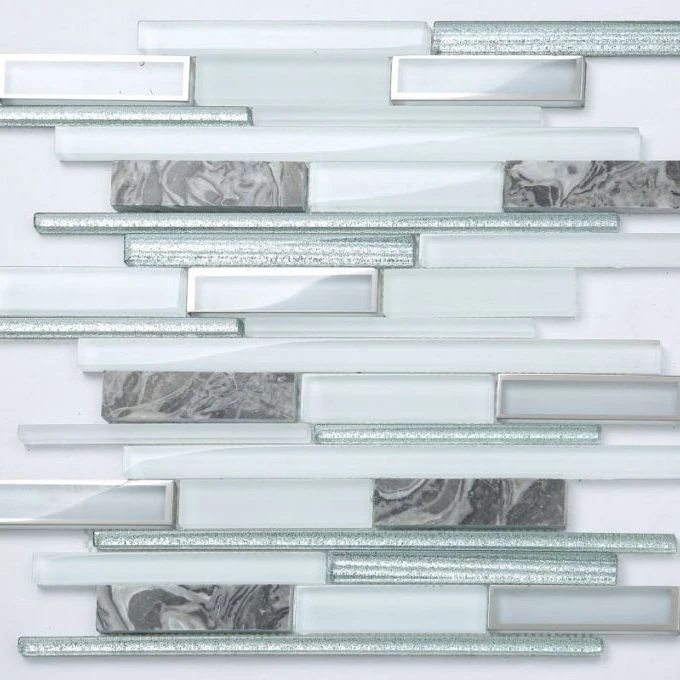
Metal mosaics offer an alternative to traditional glass or ceramic options, presenting a sleek and modern stainless steel look. You can also discover mix-and-match mosaics that seamlessly blend metal with stone, ceramic, or glass mosaics.
Benefits of Metallic Mosaic Tiles
Durability
Metallic mosaic tiles are made of strong and durable materials that can withstand extreme weather conditions, heavy foot traffic, and other potential damages.


Aesthetic appeal
The metallic finish of these tiles adds a modern and stylish touch to any space, creating a luxurious and elegant ambiance.
Low-maintenance
Metallic mosaic tiles are easy to clean and sanitize, with just a simple wipe or cleaning solution, thereby reducing the time and cost of maintenance.
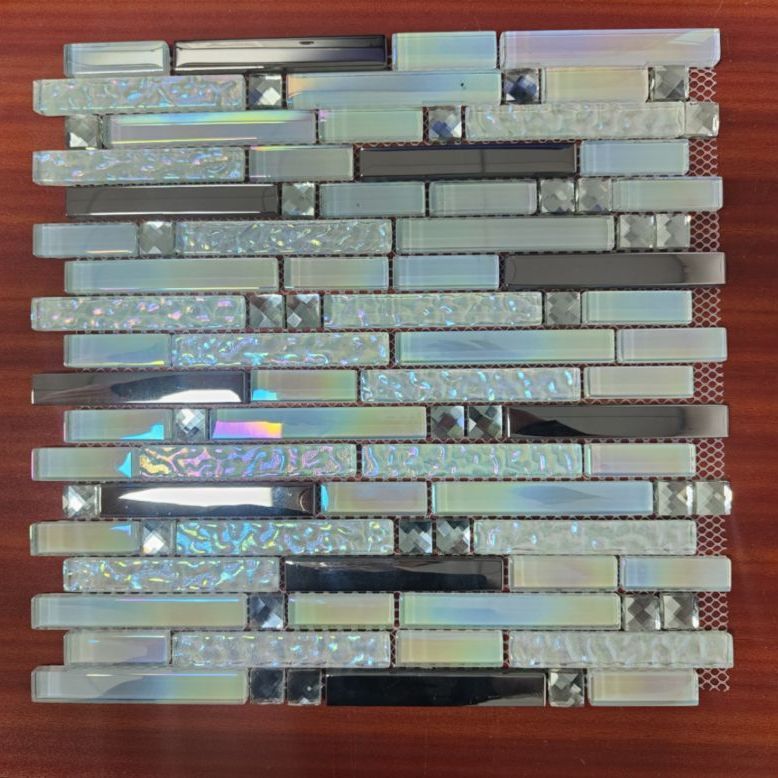
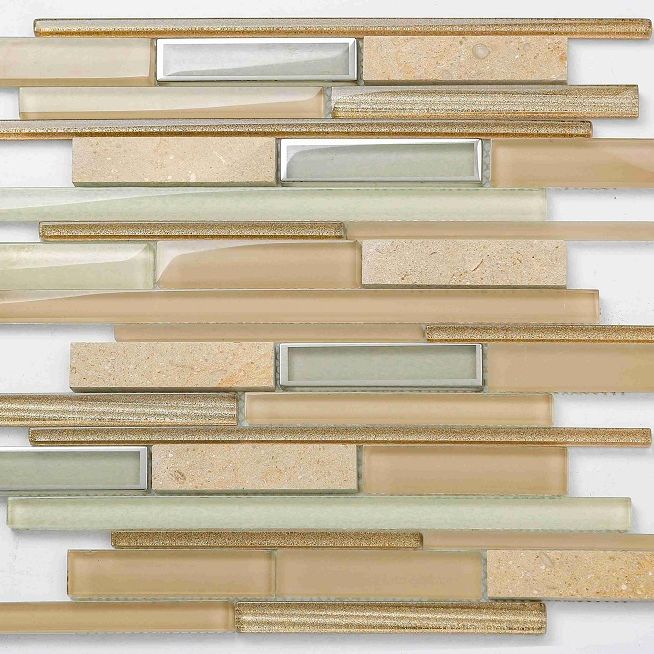
Versatility
Available in various shapes, sizes, colors, and patterns, metallic mosaic tiles can be used to beautify different spaces, including kitchen backsplashes, bathroom walls, and feature walls in living rooms.
Reflective properties
Due to their reflective nature, metallic mosaic tiles can help create an illusion of spaciousness and brightness in small or dimly lit areas.
Eco-friendly
Metallic mosaic tiles are made from natural and eco-friendly materials, which makes them a sustainable and responsible choice for environmentally conscious homeowners.
Types of Metallic Mosaic Tiles
Stainless steel tile
These tiles are made from stainless steel sheets and pieces. Their best characteristic is they are stainless. They do not stain.
That is the reason why they are recommended for walls and backsplashes in residential/commercial kitchens and bathrooms - where staining is a high probability. Even if there are stains caused by soap, oil, and hard water, you can easily take them off using hot water and soap mix or with vinegar and baking soda mix.

Copper tiles
Made from copper (mixed with other metals and alloys), copper mosaic tiles make an ideal choice if you are looking to create a warm, earthy, distinctive look in your indoor spaces. These tiles offer a better acoustic in your interior design.
Moreover, they are easy to clean and install. It goes without saying that copper tiles lose their shine and turn dark over time. But you can always shine them up using a commercial grade copper shiner.
Copper tiles are fireproof. This very aspect makes them a smart choice for walls and backsplashes in kitchens that operate on gas stoves or burners.
Aluminum tiles
These are non-porous, waterproof, and stainproof tiles that does not allow water and moisture to seep through become a problem for the structure of your home.
Using them on your walls adds loads of convenience to your daily routine. They do not require much cleaning, as they have smooth and stain resistant surface.
The Right Way to Install A Metal Mosaic Backsplash Tile
The major difference is grout. In fact, with metallic tile you may not even need grout at all, unless the metallic backsplash tile is included in combination with other types of tile, such as stone and ceramics. If you do use grout, it’s important to pick a non-sanded grout, because sanded grout can scratch the metallic tiles. Choose a latex-additive cement-based grout.
Most of MSI’s metallic backsplash tile mosaics are pre-assembled on mesh backing for simple and quick installation. There may be times when you need to cut tiles to fit in a tight space, make an opening for a light switch, or create a straight edge. To cut metal tiles, you’ll need a tool approved for that purpose. This will be a carbide or diamond blade installed in a hacksaw or band saw. Make sure you’re comfortable using one before beginning your project; a tool rental company should be able to provide guidance.
A latex-additive thinset mortar is recommended for metallic backsplash tile mosaics on a vertical surface. You can also use silicone- or urethane-based adhesive. Follow the manufacturer’s directions closely — some mortar is meant to apply to the wall with a trowel, and other types should be applied to the back of the tile.
First, make sure you have all of the supplies you need handy. You’ll need a V-notch trowel for applying mortar, a clean sponge, a rubber grout float, buckets for mixing grout and mortar, enough grout and mortar to finish the job, and a tile cutter if needed. The basic steps are as follows:
- Make sure the kitchen backsplash wall surface is totally clean of grease and dirt — this could prevent the mortar from sticking.
- Use painter’s tape to mask any surfaces you need to protect, such as cabinetry.
- Measure your backsplash area carefully, making marks where the tile will go. Use a level to make sure it’s lined up properly.
- Prepare your mortar according to the instructions on the package. Apply it to the wall (or back of the tile, depending on which type of mortar you use) with the trowel, making sure it has a uniform depth.
- Apply mosaic tile sheets to the mortar, carefully lining up each sheet with the next.
- Before mortar sets, you can shift tiles slightly if needed in order to fit them perfectly in the space.
- Wait 24 hours to let the mortar set, then use a non-abrasive brush to remove excess mortar from the tile.
- If you are applying grout, prepare it according to package instructions and apply it with the grout float. Make sure the grout fills in every space between the tiles fully.
- Wait 15 minutes to an hour, then remove excess grout from the tile with a damp sponge.
- Wait 12 to 24 hours for the grout to cure, then use a damp sponge to remove any remaining grout haze from the tile backsplash surface.
Material of Metallic Mosaic Tiles
Glass: Glass mosaic tiles with a metallic coating or metallic foil backing are a popular choice. The glass provides a smooth and reflective surface, while the metallic finish adds a touch of shine and glamour.
Stainless steel: Stainless steel mosaic tiles are durable and resistant to corrosion, making them suitable for both indoor and outdoor applications. They have a sleek and modern appearance, and the metallic finish adds a contemporary touch to any space.
Aluminum: Aluminum mosaic tiles are lightweight and easy to install. They have a metallic appearance and are available in various finishes, such as brushed or polished. Aluminum mosaic tiles are often used in modern and industrial-style designs.
Metal composite: Metal composite mosaic tiles are made by combining different metals, such as aluminum, copper, or brass, with other materials. These tiles have a layered or textured appearance, creating a unique and visually interesting surface.
Resin: Resin-based metallic mosaic tiles are made from a combination of resin and metallic pigments. They can mimic the appearance of other metallic materials, such as stainless steel or copper, while offering more flexibility and affordability.
Porcelain or ceramic: Porcelain or ceramic mosaic tiles can also have a metallic finish or glaze applied to them. These tiles are durable and suitable for both indoor and outdoor applications. They can be used to create a metallic look without the higher cost of other materials.
Application of Metallic Mosaic Tiles
Kitchen backsplash: Metallic mosaic tiles can create a stunning focal point in the kitchen. They add a touch of luxury and reflect light, creating a visually appealing backsplash. Metallic mosaic tiles can be used to complement both modern and traditional kitchen designs.
Bathroom walls and floors: Metallic mosaic tiles can transform a bathroom into a luxurious retreat. They can be used on shower walls, bathroom floors, or as accent borders. The reflective properties of metallic mosaic tiles can make the bathroom appear brighter and more spacious.
Accent walls: Metallic mosaic tiles can be used to create eye-catching accent walls in living rooms, bedrooms, or dining areas. They add texture, depth, and a touch of elegance to the space. Metallic mosaic tiles can be used to create geometric patterns, stripes, or even full wall installations.
Fireplace surround: Metallic mosaic tiles can be used to create a stunning fireplace surround. The reflective properties of the tiles can enhance the flickering flames and create a warm and inviting ambiance in the room.
Bar or entertainment area: Metallic mosaic tiles can be used to create a stylish and sophisticated bar or entertainment area. They can be applied to the bar countertop, backsplash, or even the front of the bar itself. Metallic mosaic tiles can add a touch of glamour and create a focal point in the space.
Commercial spaces: Metallic mosaic tiles are often used in commercial spaces such as hotels, restaurants, and retail stores. They can be used to create a luxurious and upscale ambiance, making a strong visual impact on customers.
Outdoor applications: Metallic mosaic tiles can also be used in outdoor applications such as patio accents or pool areas. They can add a touch of elegance and create a unique and visually appealing outdoor space.
How to Maintain Metallic Mosaic Tiles
Regular cleaning
Regularly clean the metallic mosaic tiles using a mild, non-abrasive cleaner and a soft cloth or sponge. Avoid using harsh chemicals or abrasive cleaners that can damage the metallic finish. Wipe away any spills or stains promptly to prevent them from setting in.
Seal the grout
If your metallic mosaic tiles have grout lines, consider applying a grout sealer to protect the grout from staining and discoloration. Follow the manufacturer's instructions for the recommended sealer and application method
Avoid excessive moisture
While metallic mosaic tiles are generally water-resistant, excessive moisture can still cause damage over time. Avoid leaving standing water on the tiles and ensure that the grout lines are properly sealed to prevent water penetration.
Avoid scratching
Metallic mosaic tiles can be prone to scratching, so it's important to avoid using abrasive materials or scrub brushes when cleaning. Instead, use a soft cloth or sponge to gently clean the tiles.
Protect From Heavy Impact
Metallic mosaic tiles can be sensitive to heavy impact or sharp objects. Avoid dropping heavy objects on the tiles or using sharp tools that can scratch or dent the surface.
Regular inspections
Periodically inspect the metallic mosaic tiles for any signs of damage, such as loose tiles or cracked grout. Address any issues promptly to prevent further damage and maintain the integrity of the installation.
Installation
Mesh-mounted sheets
Metal mosaic tiles are often mounted on mesh sheets for easy installation. This facilitates precise placement and ensures a uniform appearance.
Cutting
Cutting metal tiles may require specialized tools, and installers need to be careful to avoid damaging the metal surface during the cutting process.
Considerations
Scratch resistance: Metal mosaics are generally scratch-resistant, but some finishes may show scratches more than others. Consider the application and traffic in the area when choosing a finish.
Light reflection: Metal mosaics can enhance the play of light in a space, creating a dynamic and visually appealing effect.
FAQ
Q: What does mosaic mean in tiles?
Q: What is the difference between mosaic and porcelain tiles?
Q: What are the 3 main types of mosaic?
Q: Are mosaic tiles more expensive?
Q: How do you clean metallic tiles?
Q: What are metal photo tiles?
Q: Can you use metallic tile in a shower?
Q: Can you use metal mosaic tiles in a shower?
Q: How do you cut tile without removing it?
Q: How do you cut tiles without chipping?
Q: Will a metal cutting blade cut ceramic tile?
Q: What are the advantages of metal tile?
Q: How long do metal tiles last?
Q: Do you need to seal metal tiles?
Q: What is the best glue for metal tile?
Q: What tiles should not be used in a shower?
Q: What material goes under tile in shower?
Q: Can all shower pans be tiled?
Q: Do you cut tile wet or dry?
Q: Can I cut tile that is already installed?